

Evaluating our relationships, and how we interact with others guides us in healing our attachment style. The purpose of Words of Encouragement is to encourage you in your spiritual journey and interdependence in fellowship. Mark DeJesus gives one of the best overviews and explanations of attachment within a 35 minute video:
How and why we seek the “root”
Much of our thought processes and reactions to daily life and interactions takes place in our subconscious mind. Some examples:
- you meet someone new and they seem familiar, like you have known them for years,
- while speaking with someone you begin to immediately like, trust, or dislike or distrust,
- seeing or hearing a particular body expression or tone voice, you feel heard, loved, accepted, or disrespected, ignored, or minimized.
Attachment theory explains how human form bonds and interact with others. This process begins at birth and continues through human development (infancy, childhood). As adults, we process relationships through our attachment styles.
Mark DeJesus explains the styles and main traits of each. He explains that we need to reflect and act accordingly to heal and grow toward a more secure attaching style. Our attachment style is the “root” that nourishes our relationship with self and others.

Canva Pro Stock Image: young seedling receives water from caretaker to ensure growth
Choosing to Grow
Attachment style is not permanently fixed! Your style gives you insight into yourself! Insight promotes self-reflection and guides you on your journey of growth and healing! In encouraging others over the years, I’ve encountered two broad categories of pilgrims: those who reflect, grow, and transform and those who stay stuck in a rut and don’t seek healing. Pilgrims walk through seasons of victory and defeat! The path to healing involves discerning the patterns that indicate underlying “roots” of behavior and thoughts that impact our relationships.
Community and Fellowship

NightCafe Image: community of believers come together to worship
Adrian “Adrienne” Fletcher Psy.D., M.A. summarizes three truths about community and healing:
Key points
- Deep healing and connection can be found outside of the therapy room.
- Trauma heals in healthy relationships where one is seen, heard, validated, and respected.
- Everyone deserves to thrive and it is more likely to happen when they allow themselves to be receptive to love, help, and support.
I explore the topic of fellowship and community from a faith perspective:
Anxious and avoidant attachment styles interfere with our desire and ability to fellowship with others. Awareness, personal reflection/journal writing, and working with a counselor promotes growth in this area. What is your style? There are numerous free online tests. The Attachment Project is a great resource:
https://quiz.attachmentproject.com/
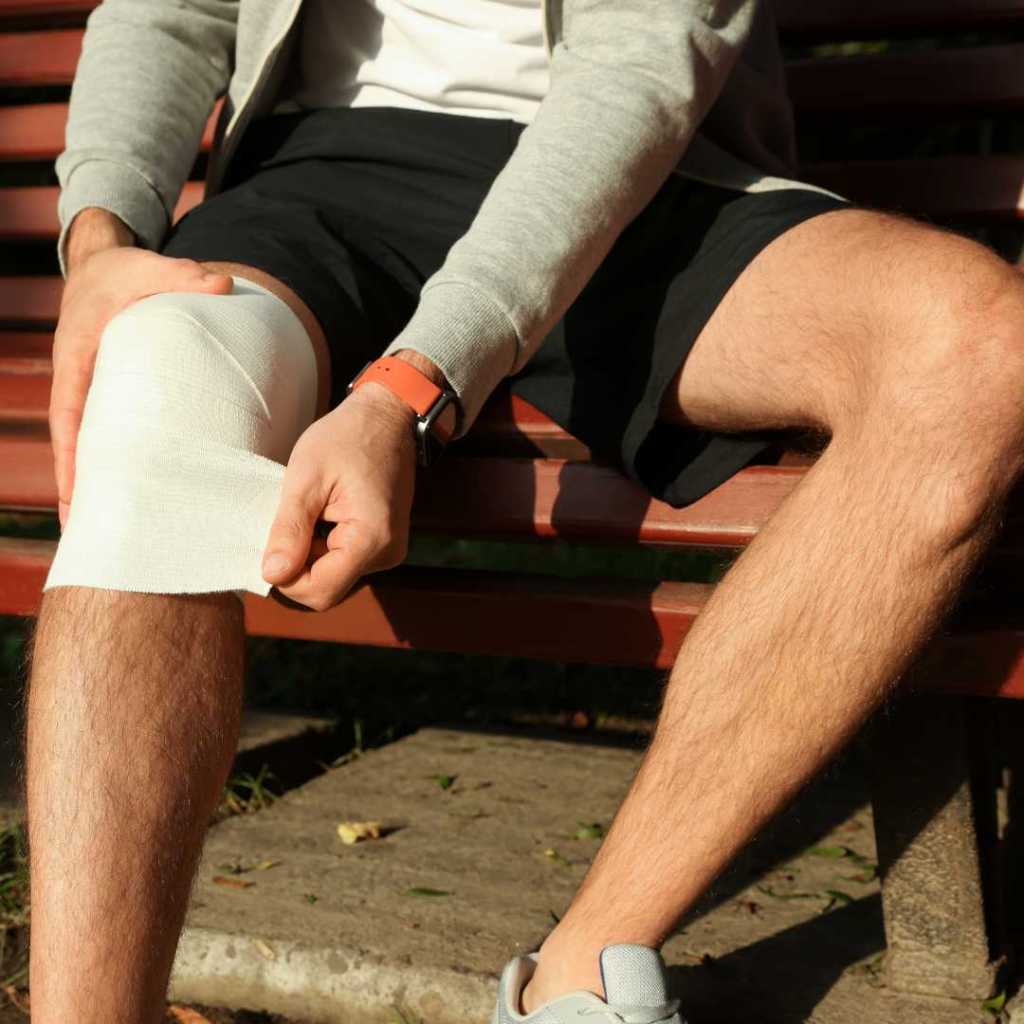
Canva Pro Stock Image: runner applies wrap to knee injury
Truth about Healing
Consider that healing is a journey that involves facing difficult emotions, and increasing pain! Cityscape counseling provides a helpful article:
https://www.cityscapecounseling.com/post/the-truth-about-the-healing-process
Progress isn’t easy or painless. You will have days when the pain seems unbearable. Feeling pain indicates movement and progress in healing!
Pain is a part of healing. We have to feel to heal as they say. Getting in touch with your emotions is essential for recovery and allowing yourself to feel and make sense of emotions can often bring up more pain.
It can be difficult to sit with our pain and truly feel an emotion. Healing is not all warm and fuzzy rather it can be dark with many twists and turns.
This is a reminder that if it feels worse, that’s likely a sign you are healing as you are getting more in touch with a part of yourself you have been denying.
“The Truth About the Healing Process” emphasis mine

Canva Pro Stock Image: man reflects on his situation as he enjoys a fresh breeze
Healing Fearful Avoidant
By self-reflecting, I’ve noticed a pattern in my attachments with others. These patterns emerged in my friendships and interactions with others. I desire to be known, respected, and valued. Past rejections and betrayals lead me to hesitate to share my thoughts/feelings with others. One of my roots is a core wound: fear of being rejected and abandoned. This fear pulls me along a path of avoiding intimate or close relationships.
Fearful avoidant is also called the disorganized attachment style. This style involves traits of both anxious and avoidant. At times, there is a deep desire to attach with others while also feeling anxious. The normal style of relating for this style is to engage with others then when the perception or feeling of being rejected or abandoned is to “wall” off others. Avoidant individuals can be deeply caring, kind, compassionate, but also distant and closed off from others.
Mark DeJesus makes a great point. Those who tell people that they “only need God” and “God is all we need” are often avoidant! This is a half-true statement. Yes, God is sufficient for our needs, but we also need to be in fellowship and community with others.
God works through biblical history to establish communities of faith. He gives Moses specific instructions to guide worship and community. Jesus teaches His disciples and later sends Holy Spirit. Communities of faith emerge in New Testament church history. Paul explains the role of community and spiritual gifts in his letters. Many of the issues that he addresses relates to people not honoring each other or God. Walking the journey of faith is done through community not individually!
The goal is to be interdependent in relationships and fellowship! Setting appropriate boundaries, seeking healthy communities, and practicing wise vulnerability enables healing. The path of healing avoidant or anxious styles involves trusting and relating to others in a secure manner.

Secure Attachment: Traits
Secure attachment is characterized by:
- Trust: Knowing we can count on our loved ones to be there for us when we need them.
- Honest communication: Being able to express our needs and feelings openly and directly.
- Empathy: Putting ourselves in others’ shoes and being able to understand their feelings with compassion and care.
- Self-esteem: Knowing we are worthy of love and respect.
- Resilience: Bouncing back from setbacks and challenges more easily and having the ability to successfully adapt to stressors.
- Healthy boundaries: Setting and maintaining healthy boundaries in relationships, while respecting others’ boundaries.
- Balance: Valuing close relationships but being comfortable on our own.
- Intimacy: Being capable of and comfortable with emotional closeness and thriving in close, intimate relationships.
Source: https://www.verywellmind.com/secure-attachment-signs-benefits-and-how-to-cultivate-it-8628802
Recommend you read the entire article and especially the last section: “Healing and Overcoming Insecure and Avoidant Attachment.”

Night Cafe Studio Image: Light shines down to illuminate the path.
How I am Healing and Growing
Three daily practices are helping me: (1). self-reflection, (2). shadow work (core wounds/fears), and (3). establishing/practicing boundaries. Self-Reflection: When I feel myself starting to feel anxious or pulling away from others, I remind myself that God accepts me because of His nature not my actions. Other people are working through his or her own issues and acceptance is not a reflection of my value.
The Gospel truths are foundational to relating to God and others.
Shadow work: for an online guide:
https://www.conni.me/blog/shadow-work
I seek others who are safe that I can be vulnerable and share parts of myself–this requires discernment and investing time. Boundaries, speaking up when I have needs, and also actively listening and investing in others promotes growth!
What does it mean to be a safe person?
Emotional Awareness: I invest time in watching instructional videos on attachment styles, and journal writing to help me process past trauma and bad experiences. Avoidance is a learned behavior and preference that seeks to protect us from pain and harm. I recognize that it is something that developed to protect myself in the past, but not something that works for me as an adult. I work with a trauma counselor as well–this helps me to identify and work on “triggers”.
Healing isn’t easy, but the alternative is worse: to remain stuck in past and a mindset that leads to isolation and loneliness. When you encounter someone who seems dismissive or avoidance, consider that he or she may have been deeply wounded and is reacting to someone or something other than you.
Night CafeStudio: Walking with Christ requires us to reflect on ourselves and seek healing and personal growth.

 Words of Grace & Hope
Some really good insights!
LikeLiked by 1 person
insights for reflection and application thanks
LikeLike