

Video Resource
Lee explains “Jesus is in the slow” cultural “hustle” vrs taking time to reflect and listen. He reminds us that the Gospel is simple! He encourages us to find a “circle” of fellow believers with a similar mindset. Lee’s videos explore faith and how a person can grow and thrive in Christ. He also addresses the issues of church hurt, feeling left behind, or different.
Helpful Devotional and Commentary for this topic:
1. https://utmost.org/modern-classic/work-out-what-god-works-in/
2.https://enduringword.com/bible-commentary/philippians-2/
Scripture Passages
Berean Standard Bible available online through bible hub. For this post, we’ll focus on Matthew 11:25-28 and Philippians 2:12-13.
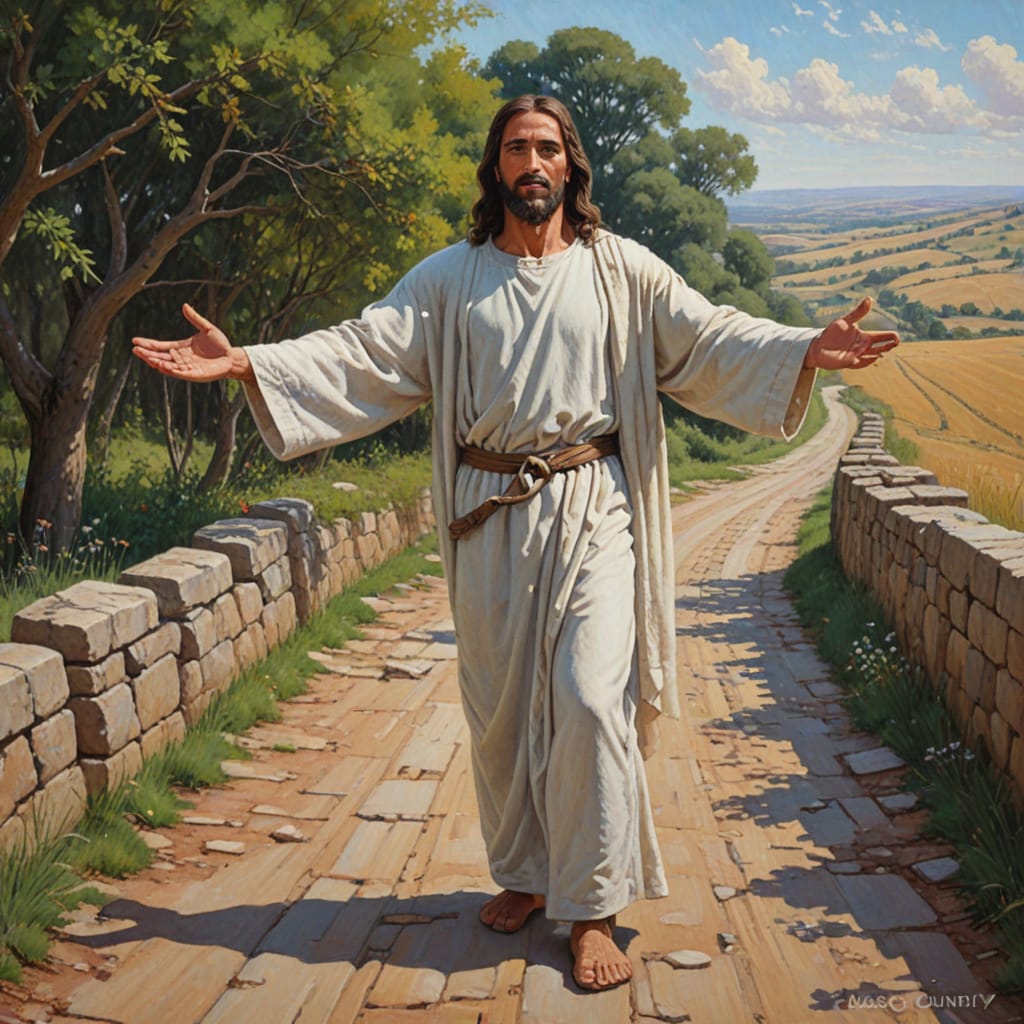
The Invitation
Matthew 11:25-28 Rest for the Weary
(Luke 10:21–24)
25At that time Jesus declared, “I praise You, Father, Lord of heaven and earth, because You have hidden these things from the wise and learned, and revealed them to little children. 26Yes, Father, for this was well-pleasing in Your sight.
27All things have been entrusted to Me by My Father. No one knows the Son except the Father, and no one knows the Father except the Son and those to whom the Son chooses to reveal Him.
28Come to Me, all you who are weary and burdened, and I will give you rest. 29Take My yoke upon you and learn from Me, for I am gentle and humble in heart, and you will find rest for your souls. 30For My yoke is easy and My burden is light.”
Context
Jesus is explaining the difference between His way and that of the religious leaders of His age. Explanation: emphasis mine
In ancient times, a yoke was placed on the neck of two animals working together in a field. Taking Jesus’ yoke is coming into union with Him. This opens up a life of discipleship where the willing learn from Christ and are guided by His humble and gentle self. The humility of Christ is unlike the self-righteousness of the religious leaders.
The “burden” Jesus speaks of refers to what Jesus expects of His followers. He has teachings and commandments, but, unlike the onerous requirements of the Pharisees, Jesus’ burden is light. John affirms this in 1 John 5:3, “Loving God means keeping his commandments, and his commandments are not burdensome” (NLT). Even better, God works in the believer to bring about obedience (Philippians 2:13).
In light of Scripture’s teaching, the “rest” Jesus gives also entails being free from the burden of sin. Sin is a brutal slave-master, and its slavery leads to death, while obeying God leads to freedom and righteous living (Romans 6:16–18). Christ’s redemptive work on the cross saved us from the penalty of sin and broke its power in our lives (Romans 6:10).
Jesus provides His Presence through Holy Spirit to bring about what He calls us to become! It’s not about rules, obeying “spiritual laws”, or seeking righteousness through ourselves! Grace is about God’s nature and character, not our inherent goodness or attempts to “earn” His favor!
For more depth:
https://www.gotquestions.org/I-will-give-you-rest.html
https://www.gotquestions.org/yoke-easy-burden-light.html
Contemporary Issues
Some will say that they need to get their lives “straightened out” or improved before they can trust or follow God. This is worldly sorrow–a type of sorrow and regret that doesn’t lead to redemption. Godly sorrow leads a person to depend and trust upon God rather than his or her ability to earn grace and mercy.
The religious of our age will also have a set of rules or expectations for others to follow. The real issue is that expectations or rules don’t change hearts or renew the sinful nature. This is why that religious individuals come across as harsh, self-righteous, etc. When we carry the burden of being righteous through our thoughts and actions, we become weary and heavily laded. Christ calls us to trust upon His grace and lay these burdens aside!

Young believer rejoices in the freedom that comes from laying his burdens before Christ.
Philippians 2:12-13
Lights in the World
(Matthew 5:13–16)
12Therefore, my beloved, just as you have always obeyed, not only in my presence, but now even more in my absence, continue to work out your salvation with fear and trembling. 13For it is God who works in you to will and to act on behalf of His good purpose.
Context:
Paul is encouraging the believers in Philippi to grow to be more Christlike in humility and unity. In verses 1-11, he explains how Christ’s example impact the believers’ mindset. He explains how Christ humbled Himself in His role. Jesus shows us the path!
Quote Source:
https://www.gotquestions.org/fear-and-trembling.html

What does fear mean in this context? Got questions explains the Greek word text
The Greek word translated “fear” in this context can equally mean “reverence” or “respect.”. . .
Two Fold manner of working out salvation
The sense in which we are to work out our salvation in fear and trembling is twofold. First, the Greek verb rendered “work out” means “to continually work to bring something to completion or fruition.”
We do this by actively pursuing obedience in the process of sanctification, which Paul explains further in the next chapter of Philippians. He describes himself as “straining” and “pressing on” toward the goal of Christlikeness (Philippians 3:13-14).
The “trembling” he experiences is the attitude Christians are to have in pursuing this goal—a healthy fear of offending God through disobedience and an awe and respect for His majesty and holiness.

Trembling: weakness with a greater purpose
“Trembling” can also refer to a shaking due to weakness, but this is a weakness of higher purpose, one which brings us to a state of dependency on God.
Our weaknesses and struggles are avenues for God’s presence to shine through into our lives. Paul writes about this in 2 Corinthians 12:9-10
“The words made perfect in 2 Corinthians 12:9 mean “fully or entirely accomplished or made complete.” Christ’s power is made complete—it is able to fully accomplish its purpose—when His people are weak and depend on Him for strength. When we, like Paul, stop resisting and complaining and let the power of Christ rest on us, we make room to receive countless unexpected blessings from the Lord. By allowing God’s strength to be made perfect in our weakness, we have the opportunity to display God’s glory flawlessly. “The grace and power of God interlock with human lives at the point of mortal weakness,” writes Barnett (op. cit., p. 179).”
Source: https://www.gotquestions.org/strength-made-perfect-in-weakness.html
Closing Thoughts
Application for our lives:
First, when we are weak or in need, it’s a divine opportunity to depend on Christ and turn away from our self-efforts. Second, trusting in Christ sets us in a position to receive Christ’s power. Weakness, need, and difficulties remind us to humbly wait upon Him instead of pressing ahead through our own strength and understanding!
“When we are in a position of need, it allows us to see how much we need God (2 Corinthians 1:9; 3:5; 13:4). The more aware we are of our weakness, the more God can reveal His power through us: “We now have this light shining in our hearts, but we ourselves are like fragile clay jars containing this great treasure. This makes it clear that our great power is from God, not from ourselves” (2 Corinthians 4:7, NLT).
God’s strength is made perfect in weakness when we put our faith and trust in Him. The Lord’s presence is all we need in times of weakness. His great power and sufficiency rest on us as we find our strength in Him, and He is glorified. We can say with the psalmist, “My flesh and my heart may fail, but God is the strength of my heart and my portion forever” (Psalm 73:26).”
Source: https://www.gotquestions.org/strength-made-perfect-in-weakness.html

 Words of Grace & Hope