

As one progresses in a journey of healing, it becomes evident that some “wounds” don’t fully heal. J.R. Tolkien reveals this concept through the character of Frodo and his wound in The Lord of the Rings books.
For an explanation of the morgul knife weapon and it’s destructive purpose:
Emotional wounds are a real life form of morgul knife. We become hurt, and if our wounds are not properly “dressed” and treated, then we wound others. C.S. Lewis, J.R. Tolkien, and G.K. Chesterton write about hurts and healing in many of their works. These wise men help us to better understand and face the difficulties of our life. All images created for your enjoyment using Night Cafe Studio.

A wise man considers his life. This young man sits and reflects on the difficulties he is facing. The gentle breeze and warm sunlight remind him of God’s goodness and light.
From Lord of Rings to Our Hurts
After listening to a variety of podcasts, and YouTube videos, I’ve learned the following truths about healing and this post will address these truths. The quotes come from an YouTube Post:
https://www.youtube.com/post/Ugkx4WHGKmy5uvmaRK7zRidTk_CEZC7lXOpl
We all carry invisible wounds—reminders of battles fought, losses borne, love given and lost.
This post seeks to weave these elements together.

Experience is a frame for our life. We can take moments to focus on the natural beauty around us. Getting outdoors and focusing on our natural environment is proven to increase mood and mental well being.
Healing is a Personal Journey of a Lifetime
Emotional wounds don’t heal quickly! It’s a process for healing that progresses over a timeline that varies personally. There are “seasons” in which there is progress and periods of time when it seems as though no progress/growth is happening. At times, a person healing will regress and perceive himself to be taking 2 or 3 steps back for every step forward.
One common theme that emerges in accounts of complex trauma is that people don’t ever fully heal. They learn to live with the wounds and expect difficulties related to past events. There is no magical cure for emotional ailments. Pharmaceutical drugs, therapy, and other “natural” remedies have limits. No chemical is going to address the root or core issues of our suffering unless the root is a chemical imbalance.
Mental health is complex. It’s a combination of genetics, experiences, learned behaviors, and societal issues. We are complex beings who require a variety of emotional, social, and physical needs to be met in order to be healthy.
J.R. Tolkien and C.S. Lewis fought in World War One and experienced the horrors of war. They were part of a generation that lost millions of young soldiers. The loses, fears, and trauma of war deeply shaped them.
The difficulties of our current age also impact us. We all have wounds and sorrows. Some live in denial, while others choose to face the reality and seek redemption and healing.

The brave messenger considers his next steps as the light streaming down encourages him in the midst of a dark forest.
To Love is to Risk
Tolkien, Lewis, and Chesterton each understood that to be wounded is to have loved deeply enough to risk everything.
We see this theme of love, hope, and risk in the Lord of the Rings books as various characters make difficult choices/embark on a journey to protect those whom they love and value. Frodo, Sam, and other characters risk a dangerous journey in a desperate attempt to destroy an evil ring that corrupts and empowers evil.
And Frodo is not alone in this. Arwen chooses a mortal fate and grieves her love beyond the end. Sam, too, is forever changed by his journey—yet he plants seeds, bakes bread, and keeps hope alive in the simple joys of home. Their wounds are different, but each walks forward bearing the cost of love.
The choice is to walk forward! While we recognize that we will be in harm’s way, we choose to make a positive difference instead of fleeing or walking away. The choice to love aligns us with God’s Redemptive purpose for our lives. This is the choice Jesus makes: to redeem a lost world. Jesus came with a purpose and willingness to complete His Father’s mission. Philippians 2, Isaiah 53, and the Gospels explain this concept.
God calls us to represent Him and live for Him. We are to be Christ like in living lives of truth, grace, hope, and compassion for others. This is different from a messiah complex/mental state which indicates underlying psychological or trauma issues. Boundaries are appropriate and necessary. God’s Word, Jesus’ example, and the Epistles provides boundaries and sets an example for us.
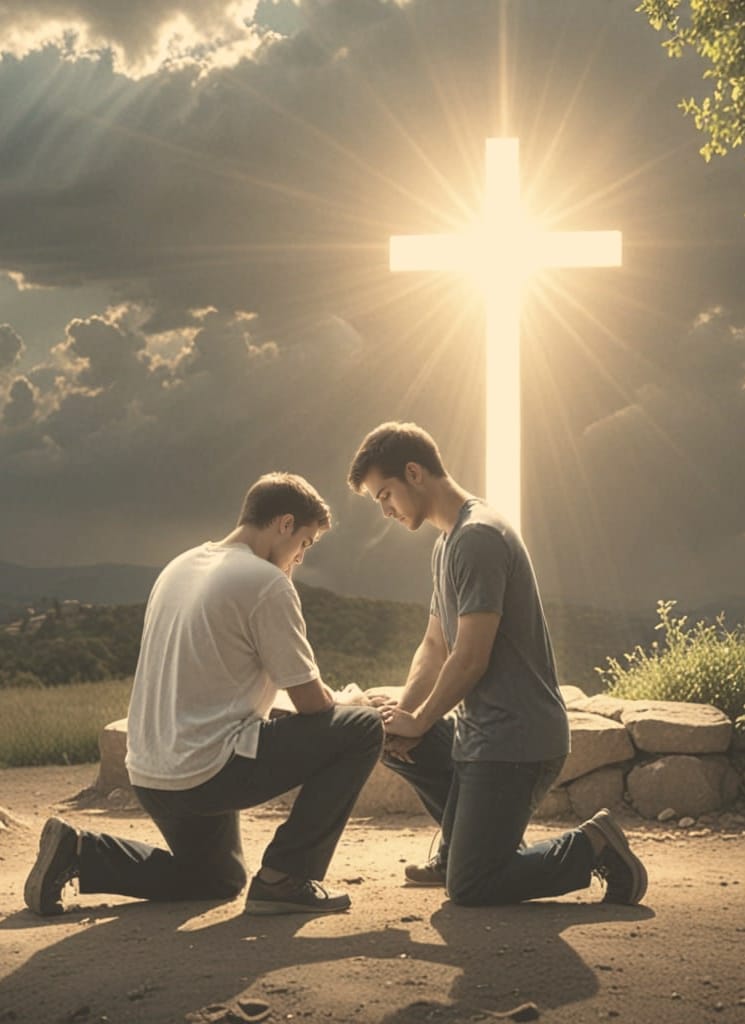
God graciously sends others to encourage us along in our journey. Who can you encourage and uplift in a time of need?
A Favorite Hymn Reminds Me. . .
Hymns comfort us in our difficulties.
How Firm a Foundation Stanzas 3-5
3 “When through the deep waters I call thee to go,
the rivers of sorrow shall not overflow;
for I will be near thee, thy troubles to bless,
and sanctify to thee thy deepest distress.
4 “When through fiery trials thy pathway shall lie,
my grace, all sufficient, shall be thy supply;
the flame shall not hurt thee; I only design
thy dross to consume, and thy gold to refine.
5 “The soul that on Jesus hath leaned for repose,
I will not, I will not desert to its foes;
that soul, though all hell should endeavor to shake,
I’ll never, no, never, no, never forsake.”
Grace to Bear the Wounds
Perhaps it is not the absence of pain that marks a full life, but the grace to carry pain without letting it consume us.
Frodo’s wound is not a failure—it is the price paid for something beautiful. The Shire endures because someone was willing to bear a hurt that will not heal.
Wounds are not failures! This is a critical truth to remind yourself. When we fail or don’t achieve the expected outcome it’s tempting to feel like a failure. Past “failures” weigh us down and continue to injure us until we process them. Strength and resilience emerge when we self-reflect, accept responsibility for our part, and evaluate how to learn, grow, and move forward in life.
Are we willing to be wounded in our journey? This where hope and courage emerge. This doesn’t have to be a “grand” adventure like we read in Lord of the Rings. It can be a simple commitment to be honorable, kind, and decent in how we live and interact with others. Consider that Frodo when injured by the evil dagger needed his friends and expert care. He is the one who bears the ring. Yet, others help and protect him in his journey.

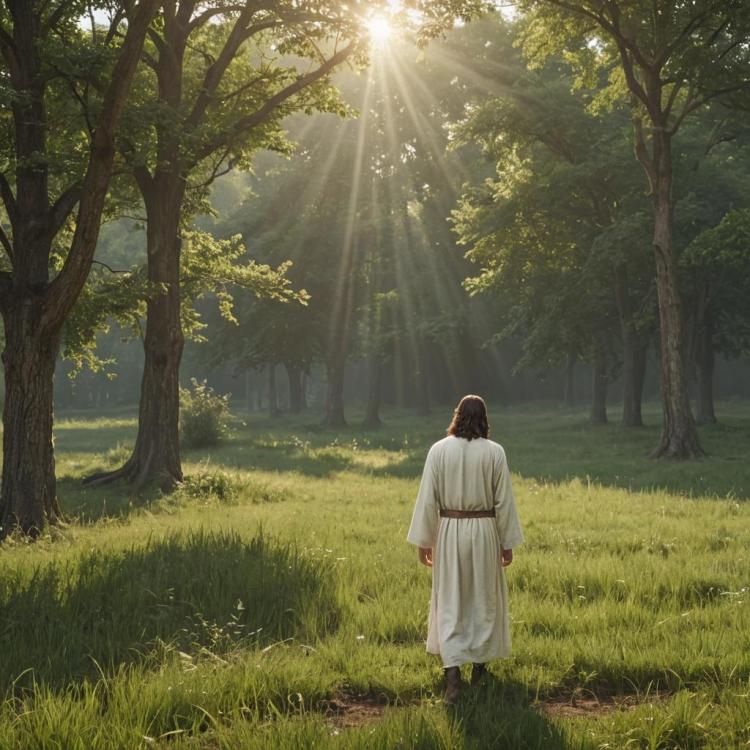
Death isn’t the end. Jesus welcomes the sick young man to His presence. He finished his race of faith.
Eternal Life, A Better Place, Things Made New
If you, too, carry an unhealed ache—a memory that throbs, a sorrow that resurfaces, a scar that tells its story in the quiet hours—know that you are not alone. The journey does not end at the wound. Sometimes, the wound becomes the very path that leads us toward a distant shore, where all tears shall be wiped away.
When we pass into God’s presence, or He returns, and meet Jesus face to face we will see His scars This is the greatest truth of all: God redeems our wounds and makes them into something greater. After a difficult season in life, I’ve turned to Revelation chapters 21 and 22 for comfort. It’s tempting to direct our focus on sorrow, pain, loss, and the rampant evil of our age. God’s Word tells us this is all coming to pass. Our present will fade into something much greater when the Author and Creator of All returns. Until He returns, He gives us Holy Spirit to remind us of His truths and encourage us. While we still ache and groan, we know that His promise to redeem remains!

This is how that imagine walking into eternity is for when we end the journey. When we pass from this realm into God’s presence, there will certainly be light and we will be in peace because He is peace.
 Words of Grace & Hope
Thank you for this honest and hopeful reminder that healing isn’t always about fixing—sometimes it’s about learning to carry our scars with grace. The notion that “wounds are not failures, but the price paid for something beautiful” echoes what so many of us feel but don’t always find words for. It’s comforting to know we’re not alone, and that even when the ache remains, God’s promise of redemption doesn’t fade.
LikeLiked by 1 person
His redemption is one that doesn’t fade: true, and well said! Just read this article today from Josh Powell. https://www.weaponsofgrace.com/content/god-is-aware-of-every-tear-you-cry
LikeLike