

Dr. Seth Capehart explains why there is so much physical and mental illness in modern society. It boils down to three things: diet, lack of sleep/ exercise, workplace stress. He explains from a medical perspective how diet impacts physical and mental health.
He offers applicable solutions to each problem he presents. The key is making healthier choices on a daily basis.

Exercise and community promote well-being.
Why Fitness and Living in Alignment?
Roy T. Bennet present a simply, profound truth:
“It’s never too late to change your life for the better. You don’t have to take huge steps to change your life. Making even the smallest changes to your daily routine can make a big difference to your life.” The Light in the Heart
When our physical and mental health are poor, it impacts our spiritual health. When our diets and daily habits are unhealthy, we will therefore be unhealthy. This impacts every aspect of our mental, emotional, and spiritual health.
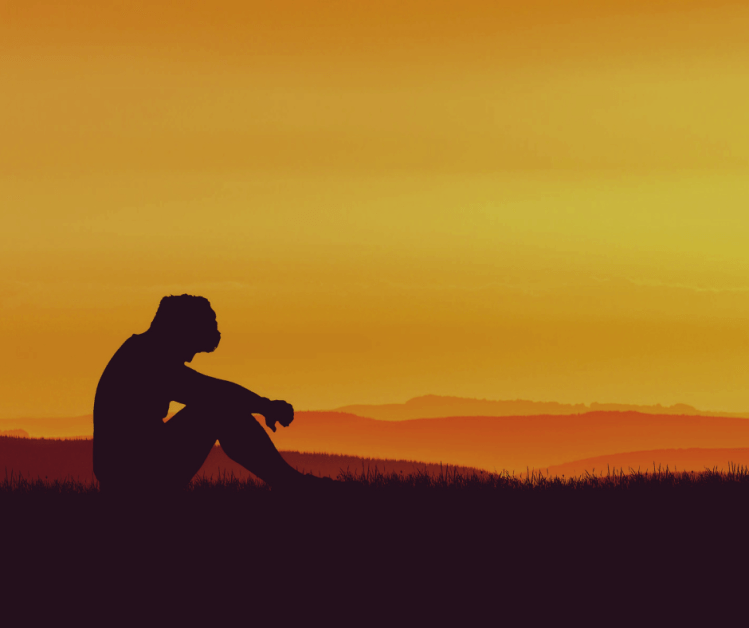
Stress and Toxic Environments
After several years of working through therapy and trauma recovery, I’ve learned that stressful, toxic jobs and relationships are not worth the cost to a person’s mental health. Consistent overwhelming stress leads to long term hormonal changes in the body.
Stress and turmoil for an extended period of time destroys a person’s positive mindset and resilience in life. Resilience and mindset work together to enable us to persevere and thrive. Trauma and past negative experiences impact how we perceive and process current interactions and life experiences.
My point in writing articles is to provide perspective(s) on living a wholesome life. As I have benefited from numerous authors, YouTube creators, and others, likewise I desire to encourage and equip others.

The Trap of Comfort
“It’s only after you’ve stepped outside your comfort zone that you begin to change, grow, and transform.”
― Roy T. Bennett
Can we become trapped in a cycle of misery that becomes comfortable? Why?
Better Help explains the root of these patterns: emphasis mine
“The need for self-preservation got activated early on in life to help us deal with unpleasant experiences and ruptures in our relationships with others. We went into our head, numbed ourselves to sadness, or befriended our self-critical voice, because we needed to do so to stay safe and minimize the risk of harm.
However, now as adults, what we could not deal with as children or as adolescents, is no longer the same kind of existential threat to us, and yet we continue on with the same old coping that helped us survive when we knew no better.”
These thought and behavior patterns served us well in our early years, yet they don’t facilitate us in forming secure attachments and practicing a growth mindset. We become reactive instead of proactive in life to our circumstances and relationships.
Integrated Attachment Theory (Thais Gibson) uses the terms core wounds, and old programs to explain the why of our negative thoughts and reactions. When we analyze our beliefs and thoughts, we discern a link between our beliefs and how that impacts our actions.
*I’m finishing course requirements to be certified as a life-skills, integration attachment theory coach. Plan to write more on this topic later.
Resistance
“Resistance is not a conscious decision. It is the decision our organismic need for safety makes for us, even if we consciously complain of the very life patterns we secretly gravitate towards.
(the purpose resistance serves)
Resistance keeps us away from the real pain, the real fears, and the real sacrifices we have made, and thereby prevents us from having new experiences that would help us resolve old wounds and make us leave therapy transformed.”
Source: Why People Often Choose Misery Over Change
Path Forward: Healing the Past
“The past is a place of reference, not a place of residence; the past is a place of learning, not a place of living.”
“Once you realize you deserve a bright future, letting go of your dark past is the best choice you will ever make.”
Roy T. Bennett
Excellent article to explore:
https://faithlead.org/blog/heal-self-love-others
Favorite Quotes:
One of the miracles of creation is that God designed us in such a way that healing is always possible. Sometimes not in the way we desire.
But often in ways we cannot imagine and, on the surface, seem counterintuitive. Identifying our unmet needs helps us name and attend to them.
Meeting our ongoing needs through caring for our whole selves contributes to and supports our healing.
Results & Gospel Consideration
“Keeping our whole selves healthy in turn allows our internal systems to be more flexible and resilient. When claiming healing as a primary need met through acts of daily care, self-compassion, specific healing practices, and sometimes clinical healing work we do something for ourselves that in turn contributes to all our other needs.”
“When we love ourselves enough to do the work of healing, then we are better able to connect to God, ourselves, and other people. Connection or re-connection is the great hallmark of healing and the basis of love. How often in the Gospels does Jesus tell the newly healed person to return and reconnect with home and loved ones?”
Can you identify the numerous instances wherein Jesus heals and restores someone then sends them back into their communities?
Summarizing Quote
“How we love God depends on how we love ourselves. How we love our neighbors depends on how we love ourselves. How we love ourselves depends on how we attend to our needs, care for our hearts, bodies, souls, and minds, and in the healing of old, new, and ongoing wounds daily, long-term, and throughout our lives on earth.”
Jennifer Ohman-Rodriguez Heal Self, Love Others: Loving God Means Loving Both Neighbor and Self
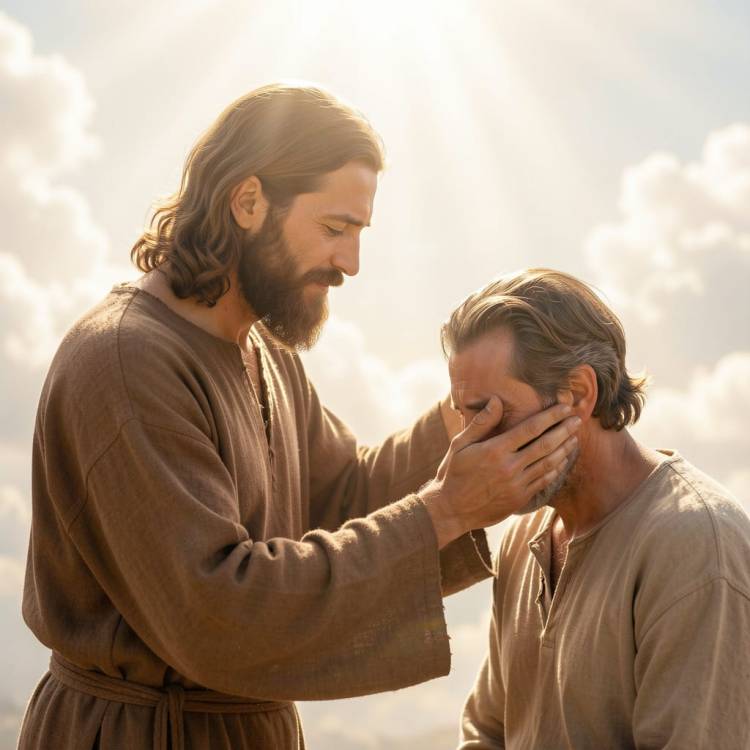
Just a touch from Him then the sorrow passes away in the Light of His presence.

